EVER HEARD OF THE IRIA BIBITE CEREMONY OF GRAND BONNY KINGDOM?
(The Rite of Passage into full Womanhood)

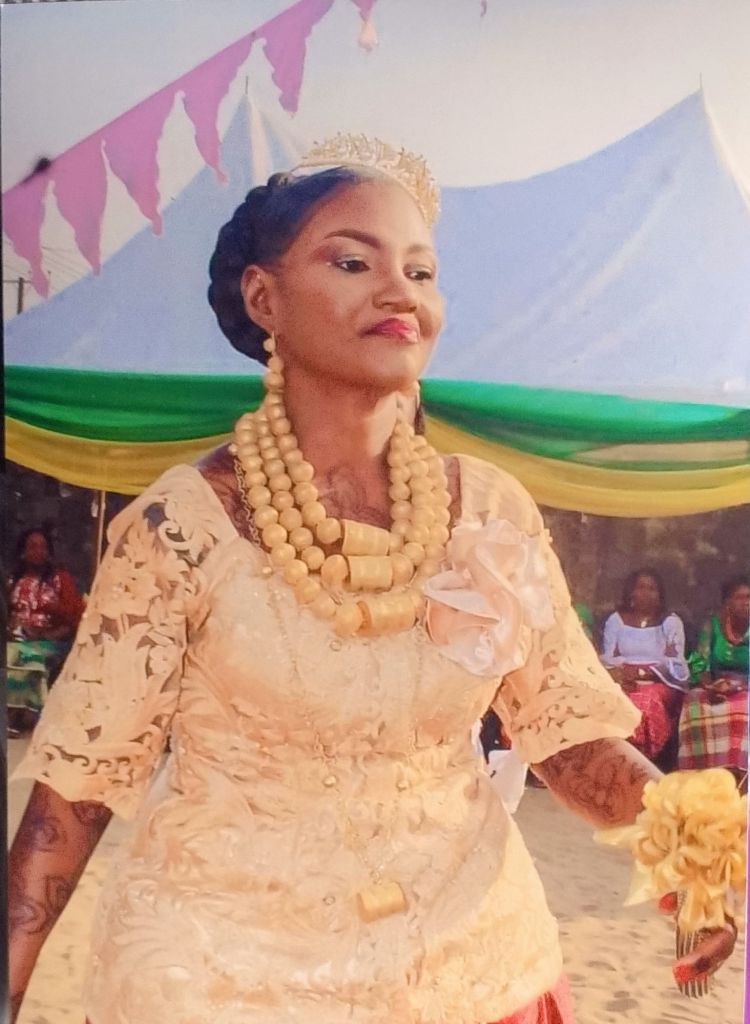
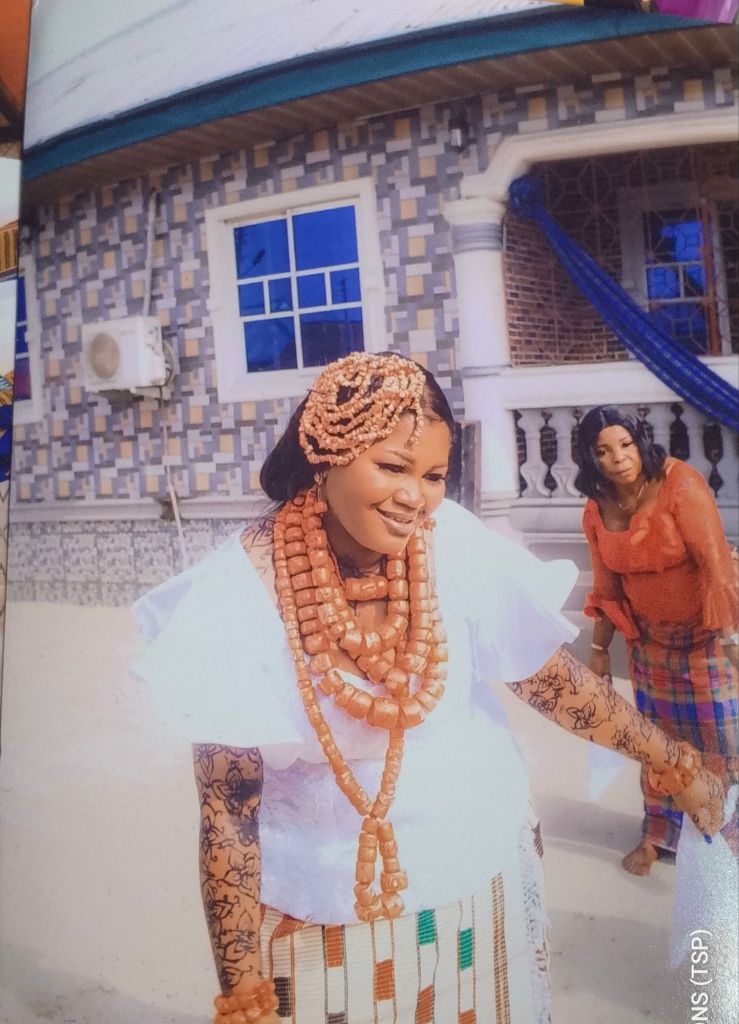

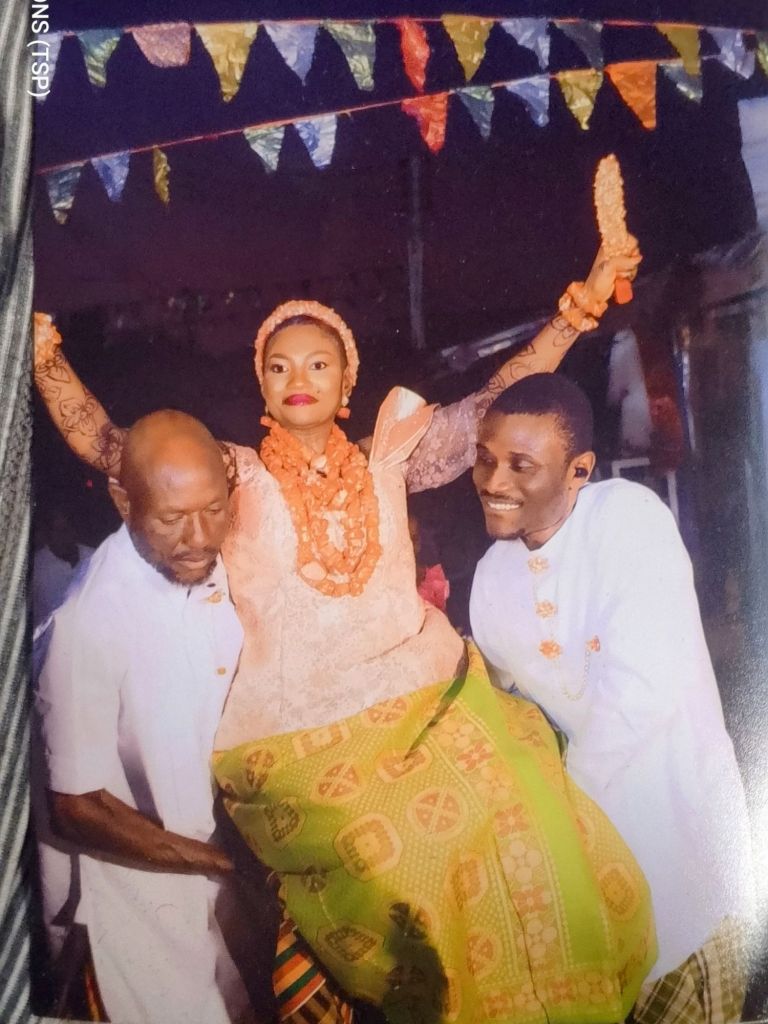
Firstly, let me take you on a very short ride of Grand Bonny kingdom. Bonny kingdom is a coastal traditional state situated 40 kilometers southwest of Port Harcourt, Rivers State Nigeria. It dates back to the 15th century when it was a major trading center for the exportation of Palm Oil, Ivory, Timber, and Palm Kernel and in the 19th century it became the major place for slave exportation in West Africa. It is a resource and culture – rich town with approximately 215 square kilometers. The native language of the Bonny people is ‘Ibani’ and their main livelihood was fishing till the 20th century. Bonny Kingdom is headed by a monarch.
Thank you for your brief ride with me through Bonny kingdom, now let’s board a bus through the Iria Bibite Ceremony of Bonny kingdom. Relax, it’s gonna be a very cool ride!
IRIA BIBITE CEREMONY
The Iria Bibite ceremony is an ancient tradition of the Bonny people. Every parent desires their female children to celebrate it. It is a Rite of Passage into Full Womanhood. It is also commonly known as “tying of wrapper”.
Iria Bibite has three stages. The first stage is called Kala-Egerebite, this is for maidens between the ages of 12 and 15. The second is the Opu-Egerebite, it is for females between the ages of 18 and 21 and the third is the Bighibite, this is for woman between the ages of 40 and above. Overtime however, girls between the ages of 12 and 21 rarely celebrate it. The maidens are usually tied wrapper by their parents though in some cases, it is by either of the parent or by their fiancées in the process of marriage while the older woman who are 40 and above are tied wrapper by their husbands or themselves for the unmarried ones. These females performing this rite are known as Iriapubu if they are more than one and Iriabo if only one. It worthy to note that, the Iriapubu usually have Iriapama-bu (Lead dancers) who leads the Iriabo or Iriapubu on dance. They are positioned in her front and back.
This act of Iria Bibite ceremony can be classified as a Traditional Theatre because it involves the use of a dance space which can be likened to a theatre stage, the use of singers/drummers which can also be likened to an orchestra in a stageplay and there are also spectators who can be likened to an audience watching the actors (Iriapubu) performing on stage.
To be continued…

 TSP Blog